See Song Studio - Hardware
Hardware Edition
Hardware Edition

The Room,
Drawn to Scale.

Every monitor, every beam, every millisecond — laid out in three dimensions before a single cable is bought. Six stems leave the laptop and take their place in the room.

Walk Through the Build ▶ See the Real Hardware
RENDER The Listening Room — isometric layout · six-stem hardware mode LIVE
VOCALSDRUMS BASSGUITAR PIANOOTHER OUT 1OUT 2 OUT 3OUT 4 OUT 5OUT 6 SWEET SPOT listener · ear height 1.2 m 1 2 3 4 5 6 120 Ω terminated OPTIONAL MIDI TAP the same six envelopes → any MIDI device. Future-proof, zero extra latency. DMX never rides MIDI — one less stage, ~3 ms saved. AUDIO INTERFACE · 10 outs · ASIO · 32-smp stable the master clock — every stem obeys this one device 2.4 M ARC · six monitors · tweeters at ear height equidistant by construction — air delay identical for all stems TRUSS · 6 × PAR cans · addr 1–6 one daisy chain · opto-isolated · 120 Ω terminated at fixture 1 USB → DMX DONGLE short 6-channel frames → ~1.5 ms refresh · no MIDI hop
◉ 6 monitors · one 2.4 m arc ◉ 6 PAR cans · one DMX chain · terminated ◉ 1 interface · 1 clock · 0 ms stem skew ◉ audio + light from the same six envelopes
01 · Room Engineering

Geometry Before Gear

The layout is the mix. Three decisions define the room — and all three are free, they just have to be made before the first speaker stands up.

1Equidistant by Construction

All six monitors sit on a single 2.4 m arc around the sweet spot. No stem is closer to your ears than another — air delay is identical for every channel, so the mix arrives coherent. The arc does what no software can.

2Tweeters on Axis, Toed In 15°

Ear-height tweeters and a slight toe-in give every monitor the same on-axis response at the listener. Same distance, same angle, same arrival — that's a calibrated room, not a circle of speakers.

3One Clock to Rule Them

The interface owns the clock; the app slaves to it at 48 kHz. Six channels are one multichannel stream — same buffer, same crystal. Cable lengths differ by meters; at electrical speed that's nanoseconds. Irrelevant.

FLOOR PLAN — top view · arc radius 2.4 m · all runs to one interface
2.40 m sweet spot · listener VOCALS DRUMS BASS GUITAR PIANO OTHER IF desk · interface 48 kHz master USB-DMX DMX chain above (fixtures 1–6) monitors shown as boxes, aimed at the sweet spot cable runs: star topology, balanced, along the floor edge
02 · Audio Chain

One Interface. Six Lanes. Zero Skew.

The app hands each stem to its own output on the interface through a zero-copy ring — summed to mono, because the room is the stereo field: a stem's position in space is its pan. Six cables leave the box; six monitors answer. No summing anywhere in the path.

SIGNAL FAN — interface → 6 discrete outs → 6 monitors · 0.67 ms driver buffer
FOCUSRITE SCARLETT 18i20 10 line outs · ASIO · the master clock driver buffer · 32 samples 0.67 ms OUT 1 · VOCALS Speaker 1 · 2.4 m arc · stem 1 of 6 0 ms skew OUT 2 · DRUMS Speaker 2 · 2.4 m arc · stem 2 of 6 0 ms skew OUT 3 · BASS Speaker 3 · 2.4 m arc · stem 3 of 6 0 ms skew OUT 4 · GUITAR Speaker 4 · 2.4 m arc · stem 4 of 6 0 ms skew OUT 5 · PIANO Speaker 5 · 2.4 m arc · stem 5 of 6 0 ms skew OUT 6 · OTHER Speaker 6 · 2.4 m arc · stem 6 of 6 0 ms skew zero-copy ring buffer renderer → engine · ~0.02 ms each stem → mono sum → one output · the room is the stereo field — position is pan ONE CLOCK · ONE DEVICE · ZERO INTER-STEM SKEW — the only spec your ears actually judge
0.67 ms
driver buffer at 32 samples · 48 kHz
~0.02 ms
renderer → engine copy through a shared ring
0 ms
drift between stems — one device, one crystal
03 · Light Chain

Six Fixtures. One Chain. No MIDI Detour.

The envelope follower lives inside the audio engine — amplitude, centroid and onsets go straight out a USB-DMX dongle in short 6-channel frames. MIDI stays as an optional tap for the MIDI rig to come.

LIGHT RIG — truss elevation · DMX daisy chain · optional MIDI tap below
1 2 3 4 5 6 120 Ω TERM END OF LINE ENTTEC OPEN DMX USB short frames · ~1.5 ms refresh no MIDI hop in the DMX path VOCALS · A1 DRUMS · A2 BASS · A3 GUITAR · A4 PIANO · A5 OTHER · A6 RGBA · 4-ch modeRGBA · 4-ch mode RGBA · 4-ch modeRGBA · 4-ch mode RGBA · 4-ch modeRGBA · 4-ch mode OPTIONAL MIDI TAP The same six envelopes → any MIDI device, any DAW, any light desk. Roland UM-ONE mk2 · $47 · 0.5–1 ms — kept off the critical path. Future-proof: the day you want MIDI hardware, the cable is the install.
2.7 ms
onset detection window — worklet quantum, not a 2048 FFT
0.4–2 ms
DMX refresh — 6-channel short frames, no 512-slot universe
~8 ms
beat → beam, total — under the threshold of perception
04 · Latency Engineering

The Towers of Milliseconds

Same idea, two builds. The naïve stack towers over the tuned one — the tuning isn't magic, it's deleting two monsters: the FFT lookback and the full DMX universe.

loading latency model…
slab height ∝ milliseconds · red = naive build · green = tuned design

Monster #1 · FFT Lookback

A 2048-bin FFT describes the last 42.7 ms of audio — any trigger built on it can only be dated ±21 ms. The worklet watches the waveform itself: 2.7 ms of lookback, fires on the attack slope.

Monster #2 · Full Universe

A 512-slot DMX frame takes 22.7 ms to transmit — fine for mood washes, wrong for kick-strobes. Six channels need 0.4–2 ms in short-frame mode. Check this spec on the dongle before buying.

The Invariant · 0 Skew

Absolute latency is hardware reality. Relative latency is what the ears judge — and six stems on one clock arrive sample-aligned. That number is zero and can never drift.

05 · The Gear — Real Hardware

Buy Once, Build Right

The actual recommended hardware, to scale. One interface, six of one monitor model, one dongle, six PARs, one MIDI dongle for the future. Every piece earns its place in the signal path.

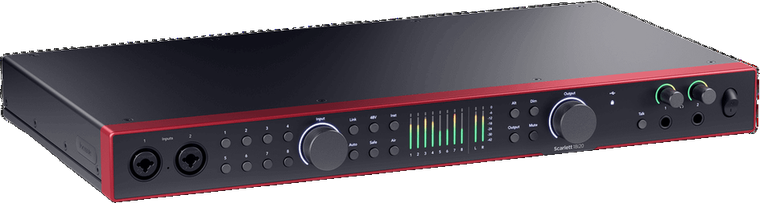
Focusrite Scarlett 18i20 4th Gen

The Hub · Focusrite Scarlett 18i20 4th Gen

$770
Ten line outputs and the room's master clock. RedNet-derived converters, class-leading ASIO that stays stable at 32-sample buffers — and four spare outputs for a sub, a headphone mix, or a future zone.
10 outsASIO · 32-smp stable48 kHz masterRedNet AD/DA
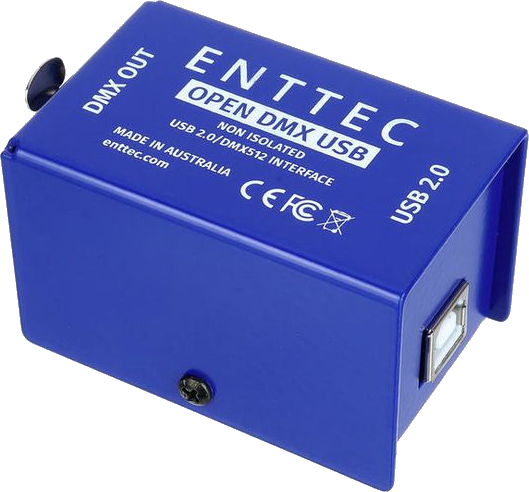
Enttec Open DMX USB

The Light Bridge · Enttec Open DMX USB

$73
USB to DMX-512 for six channels. The Open DMX line works with the app's direct S2M-style output — six-channel frames at ~1.5 ms refresh. Step up to the DMX USB Pro for opto-isolation and onboard processing.
DMX-512short framesGPL / cross-platformPro version: isolated
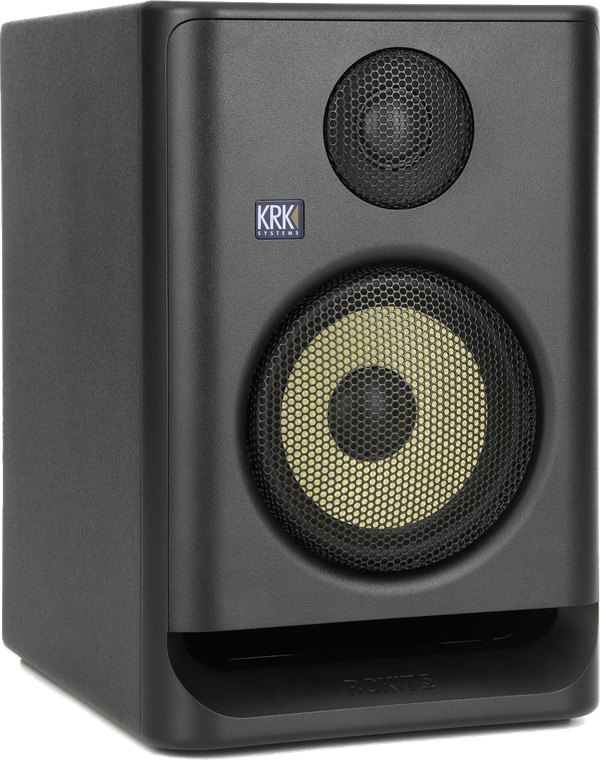
KRK ROKIT 5 G5

KRK ROKIT 5 G5

$199 ea
The room's six voices. Front-ported, DSP room tuning, LCD EQ — placement flexibility for an arc.
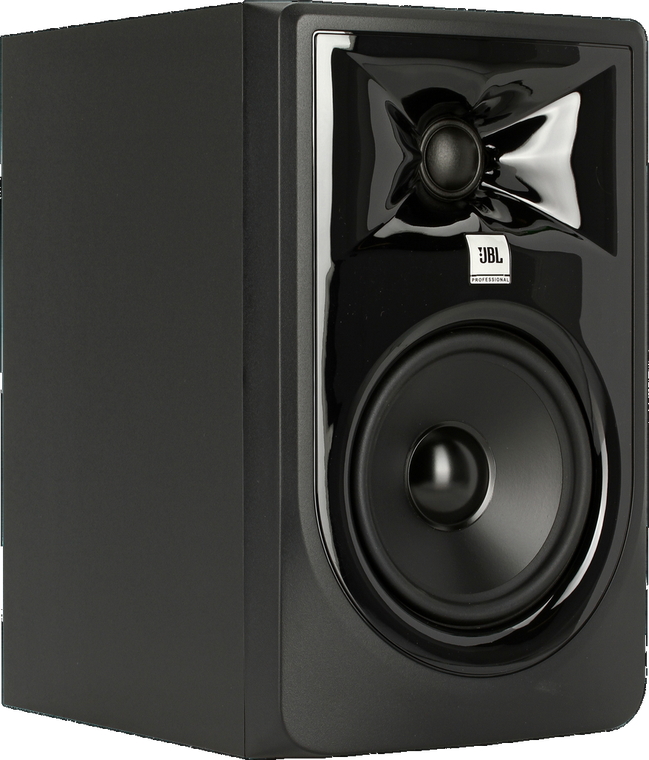
JBL 305P MkII

JBL 305P MkII

$169 ea
Image Control Waveguide — the widest sweet spot of the group, forgiving of an arc layout.
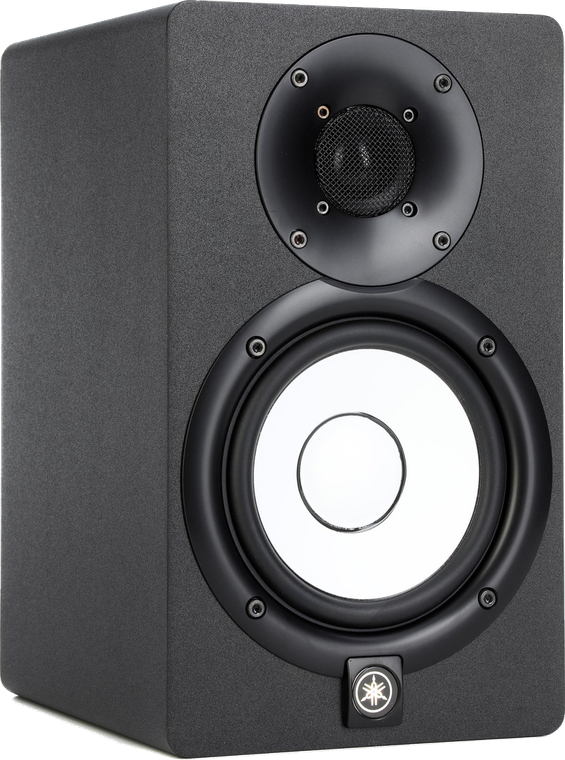
Yamaha HS5

Yamaha HS5

$170 ea
The reference standard. Uncolored and honest — what most listeners know a mix should sound like.
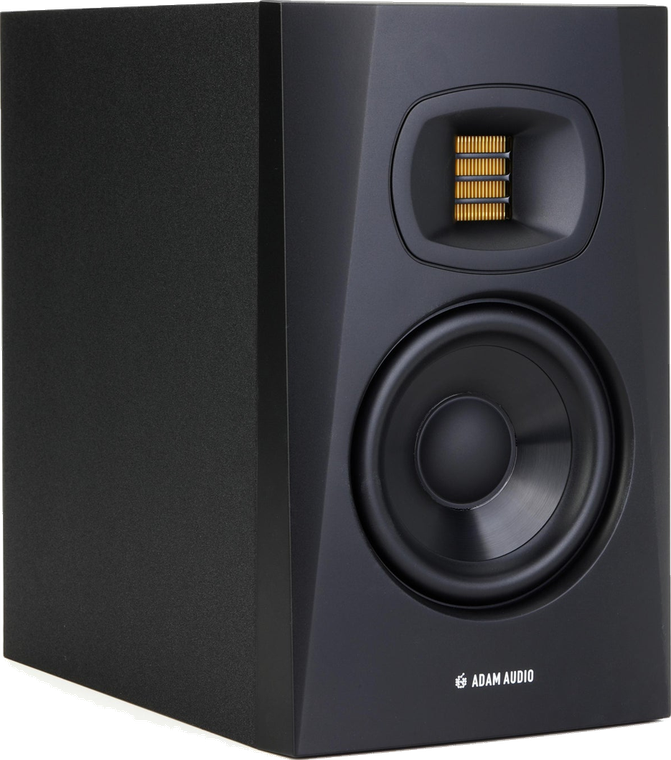
ADAM Audio T5V

ADAM T5V

~$200 ea
U-ART ribbon tweeter — the most detailed top end of the four. Pick one model; buy six of it.
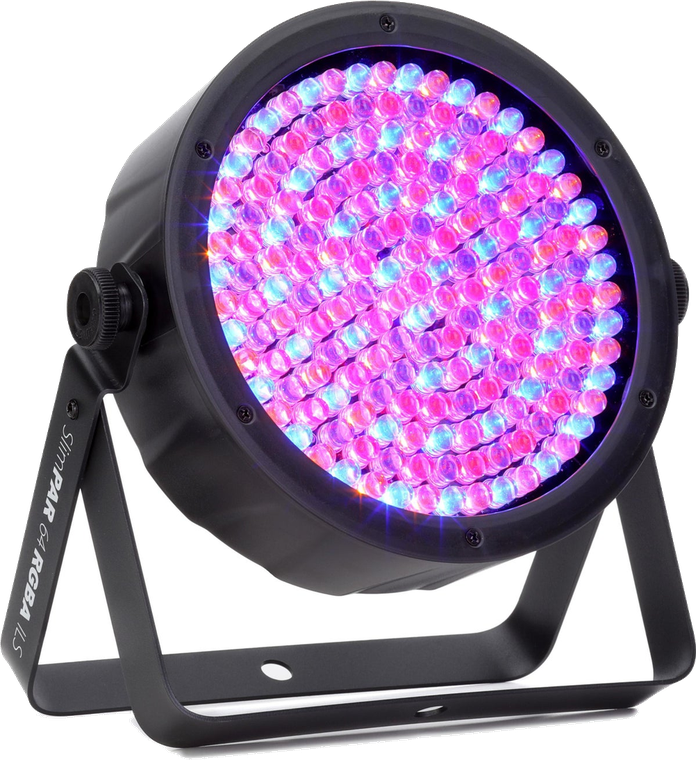
Chauvet SlimPAR 64 RGBA

The Lights · Chauvet SlimPAR 64 RGBA

$140 ea
180 RGBA LEDs, 4-channel DMX mode — dimmer + RGB per fixture, one address each, daisy-chained on a single run.
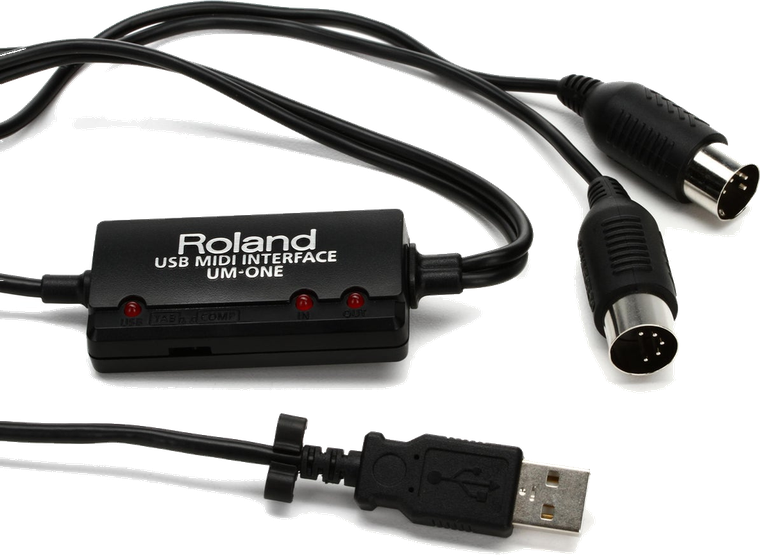
Roland UM-ONE mk2

The Future Tap · Roland UM-ONE mk2

$47
Optional. The moment you want the six envelopes driving MIDI hardware — synth, lighting desk, visual rig — this is the cable that makes it real. Kept off the critical path.
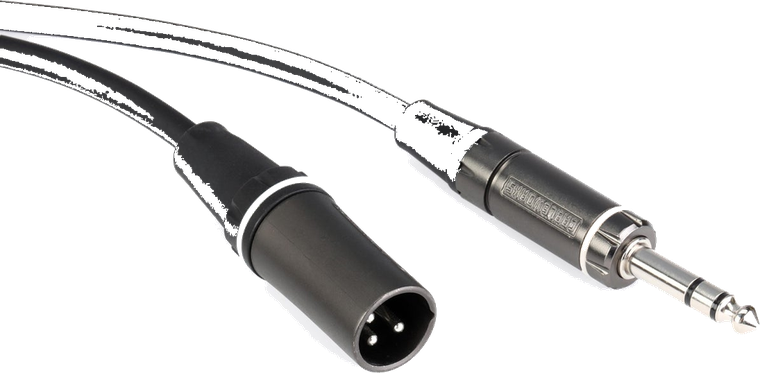
XLR to TRS balanced cable

The Runs · Balanced TRS→XLR

$30 ea ×6
Six balanced runs, interface output to monitor input. Balanced = hum-free over the length of the room. Meters of length difference cost nanoseconds — irrelevant to sync.
balanced10 fthum-free

Before you buy — check your interface

  • ≥ 8 line outputs — 6 stems + spares (the 18i20 has 10)
  • Driver stable at 32-sample buffers — read the forums, not the box
  • ASIO (Windows) / CoreAudio — and a clock the app can slave to
  • Converter latency spec published (good ones: ~0.5 ms)

Before you buy — check your monitors

  • One model × 6 — identical units or the arc lies
  • Balanced TRS or XLR input
  • Front port if the arc gets close to a wall
  • Room controls (freq trims) for the corner units

Before you buy — check your light chain

  • Dongle spec: short-frame / partial-frame refresh — 1–2 ms, not 23 ms
  • Fixtures: 4-channel DMX mode minimum (dimmer + RGB)
  • One 120 Ω terminator for the end of the chain
  • Opto-isolated output if you love your motherboard
Next Steps

Build the Room in Stages

Both stages demos in an afternoon. Neither touches the other — sound first, light second, exactly as the layout shows.

Stage 1 — Sound · ~$2.1K

Interface + six KRK ROKIT 5s + balanced runs. Place the arc, aim the tweeters, run the ring-buffer build, and hear six stems take their places in the room.

Stage 2 — Light · ~$990

Dongle + six SlimPARs + DMX cable + terminator. Address 1–6, hang the truss, feed the envelope follower, and watch the beat come out of the wall — ~8 ms behind, imperceptible.